
According to an analysis by real estate company Redfin, the population is growing with high risk regions that can be at risk of climate catastrophes.
Refin capitalized on the findings of a recent report to say,’The U.S. counties with the largest share of homes facing high heat, drought, fire, flood and storm risk saw their populations grow from 2016-2020 due to migration, while the counties with the smallest share of homes facing climate risk largely saw their populations decline.’
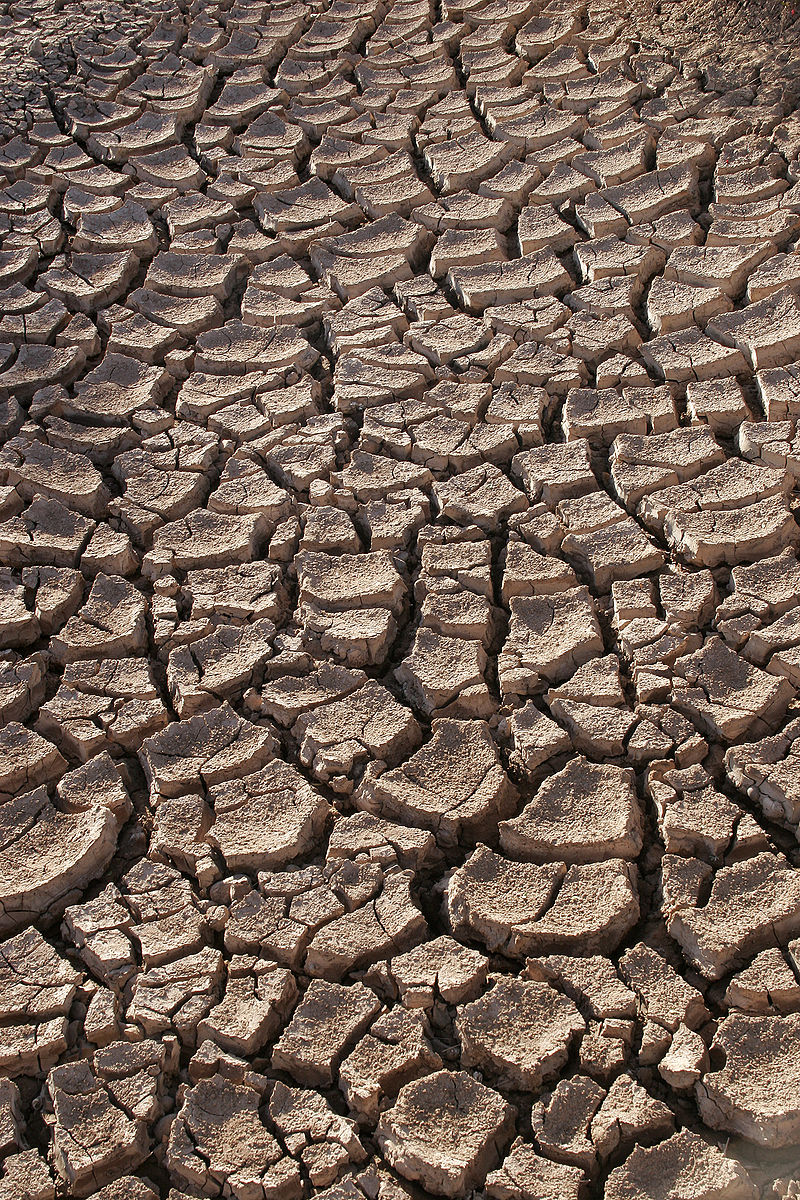
Custer County in Colorado, south of Denver, experienced a 16.8% growth in population over the past five years, although all its houses were on a high drought risk level and nearly all, 95.7%, were at severe fire risk.
If harmful forest fires become an annual phenomenon, if large hail causes widespread disturbance, large storms pose a coastal threat most years, tornadoes may move farther away from their traditional heartland, people’s aversion to life in certain areas may increase.
In the 50 counties with the lowest proportion of homes at high heat risk, home populations declined an average of 1.4 percent, the report said.
“The house is custom from top to bottom. There are so many details.” https://t.co/7KYyBB5HXi
— Mansion Global (@MansionGlobal) August 25, 2021

.jpg)


